Back

About Hydrogen Energy

Hydrogen energy refers to the use of hydrogen as a fuel or energy carrier.
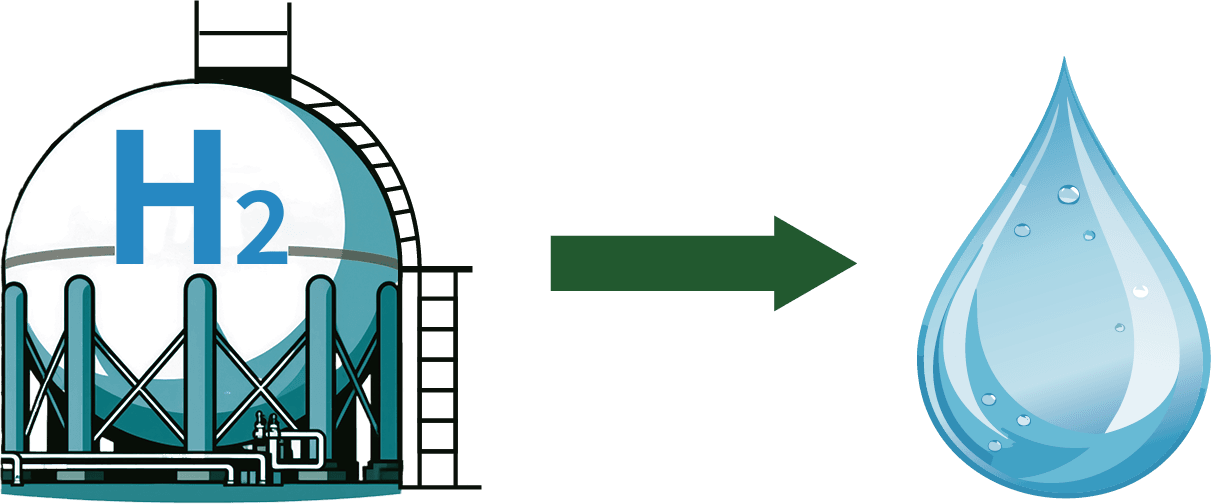
As a clean energy source, it produces only water when used, with no other direct emissions.

Since the Industrial Revolution, burning of fossil fuels has led to a dramatic increase in carbon dioxide emissions, which exacerbates the greenhouse effect, resulting in global warming and trigger extreme weather conditions.
To combat climate change, replacing fossil fuels is imperative. Hydrogen, which produces no carbon emissions when burnt, is a promising alternative in some hard-to-abate sectors.

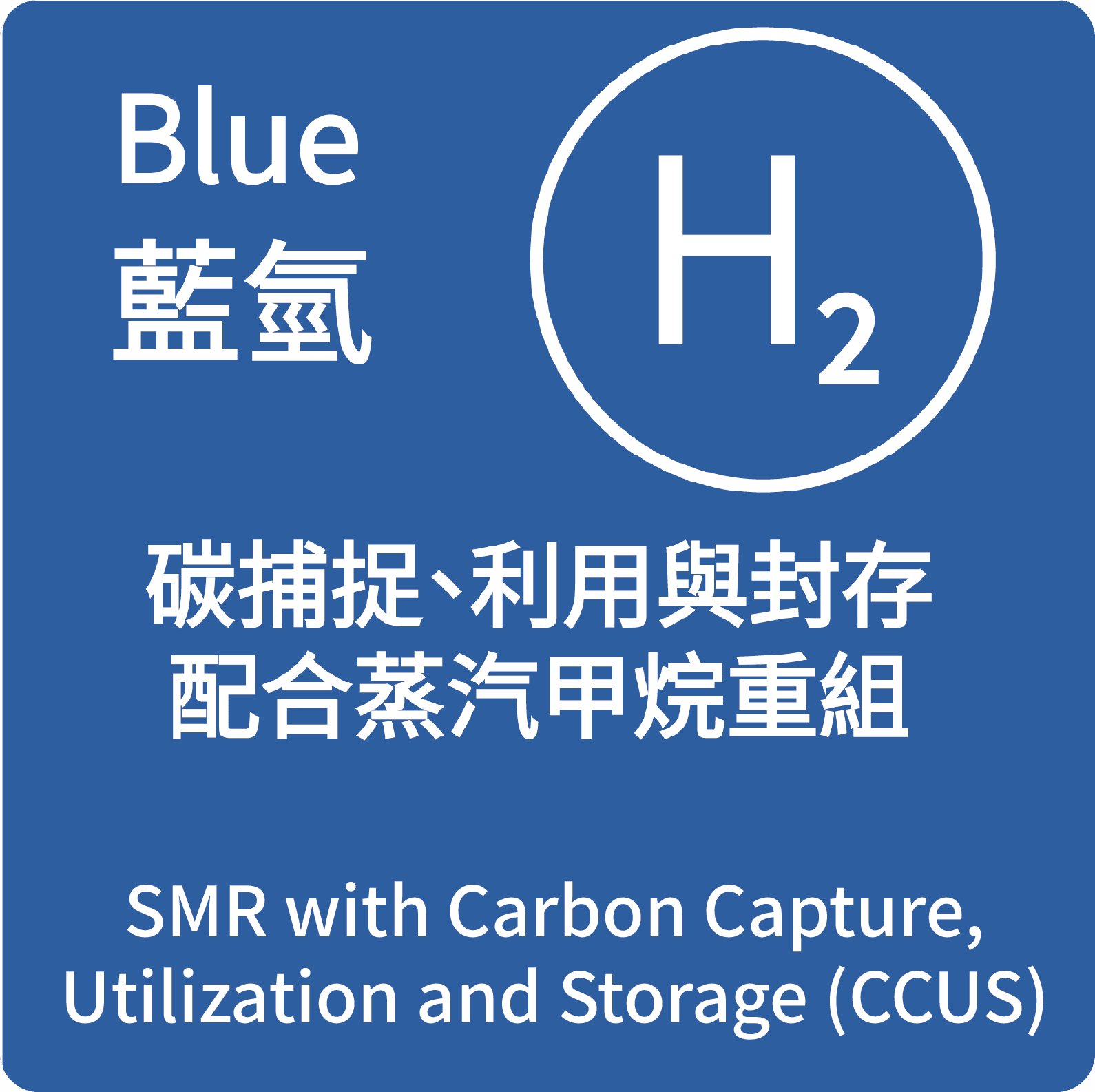
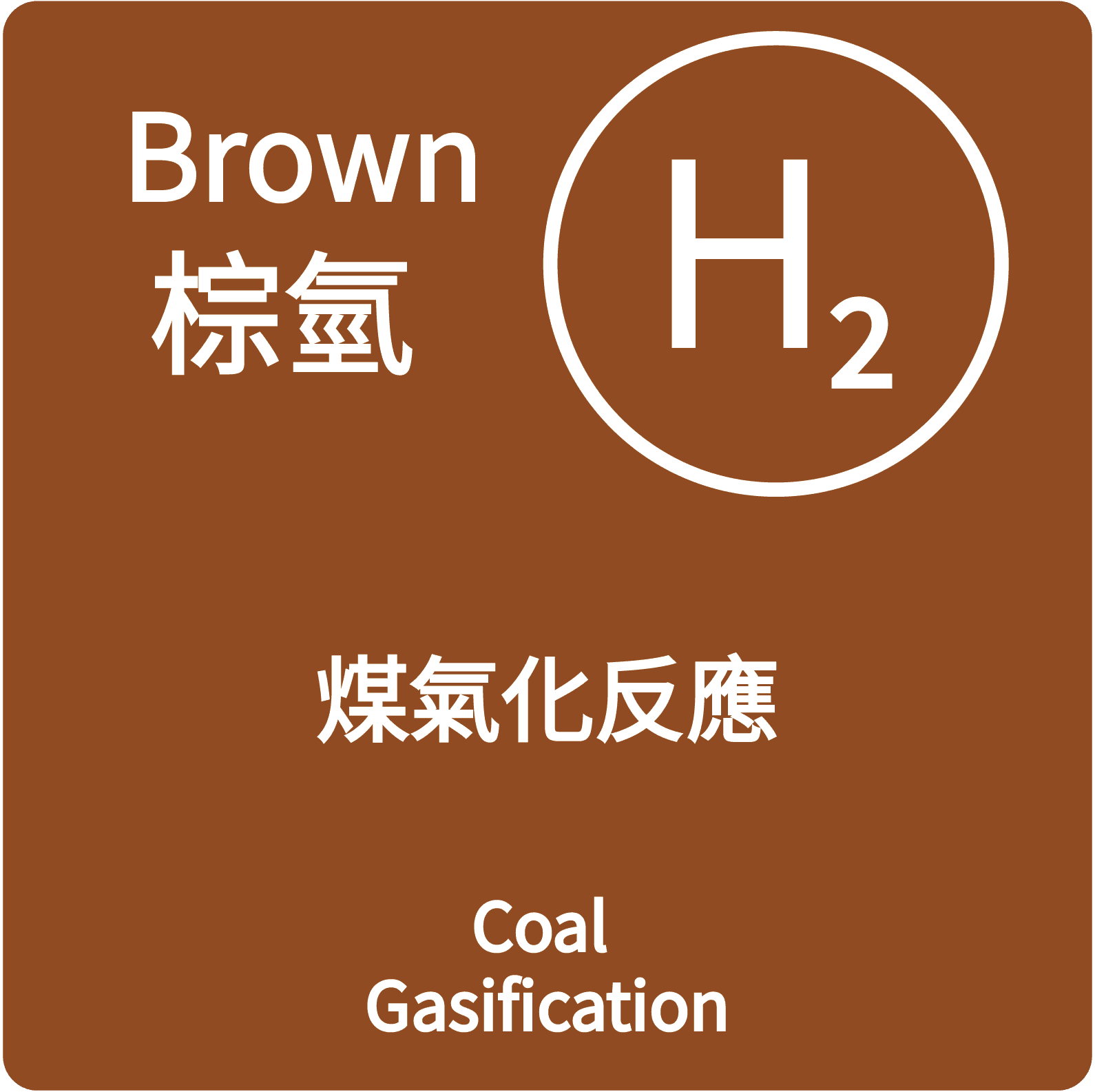
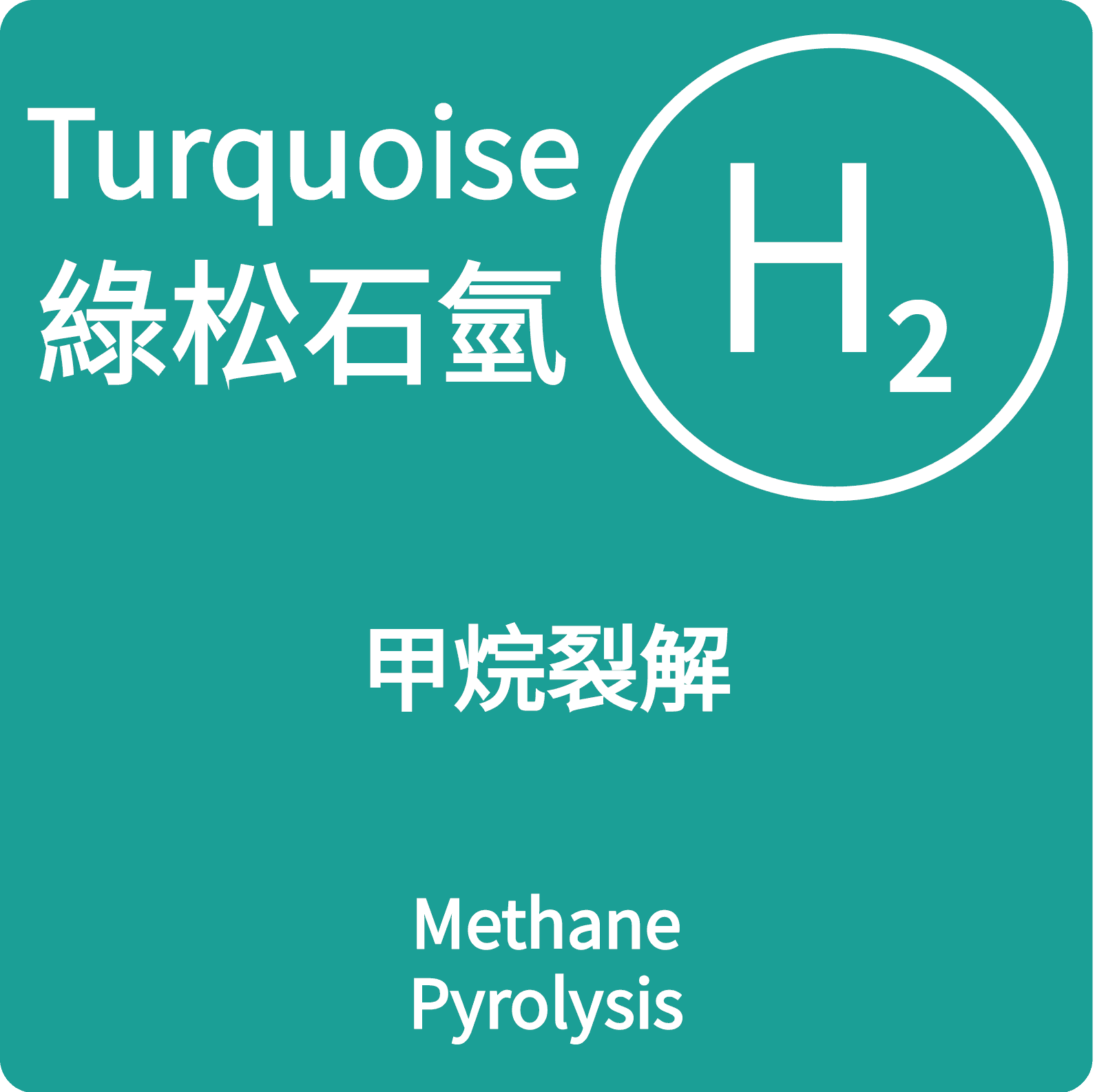
Hydrogen can be classified by colour based on its production method to indicate environmental impact, but the chemical and physical properties are the same.
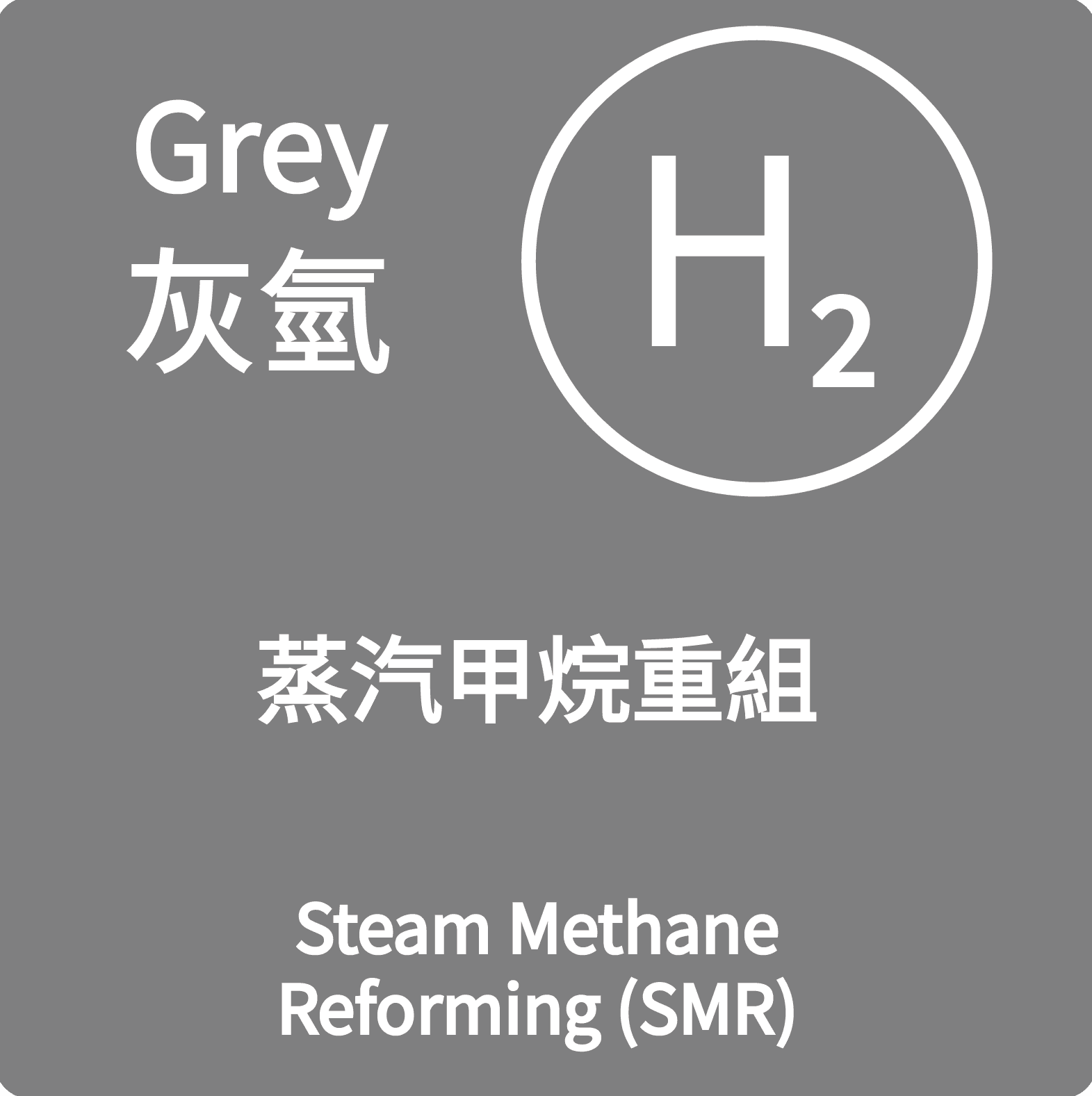
Grey hydrogen is produced by steam methane reforming (SMR). Due to lower capital cost and abundant feedstock, grey hydrogen dominates modern hydrogen production despite its high carbon emission.

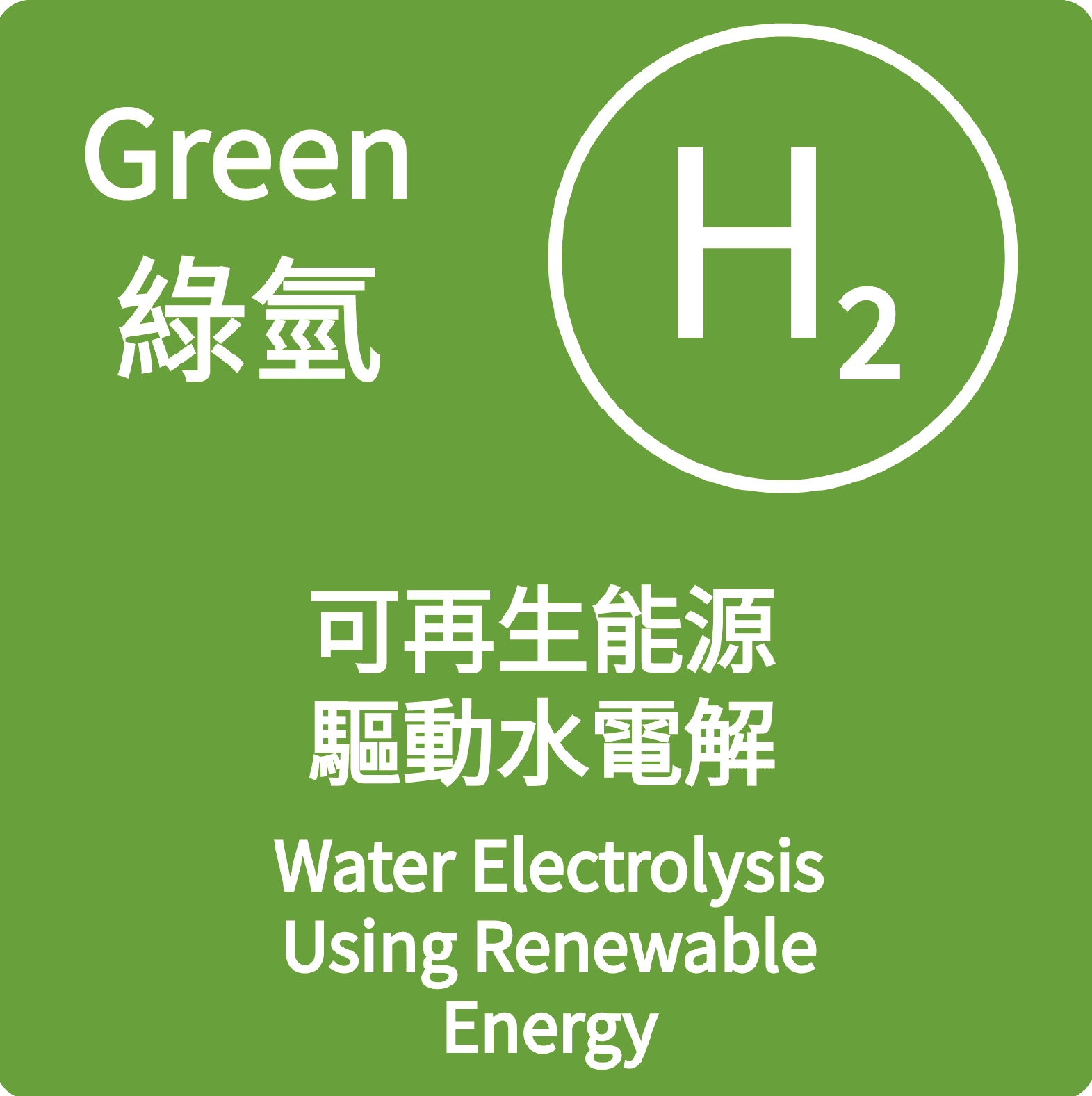
Green hydrogen is driven by renewable energy, water molecules are splitted into hydrogen and oxygen in the electrolyser, with zero direct carbon dioxide emission and no reliance on fossil fuels. Although the current cost is high, production capacity is expanding rapidly. Under the scale effect, green hydrogen is expected to achieve cost competitiveness with fossil fuel hydrogen production in areas rich in renewable energy by 2030.

There are more types of Hydrogen, come visit us to learn more about it!

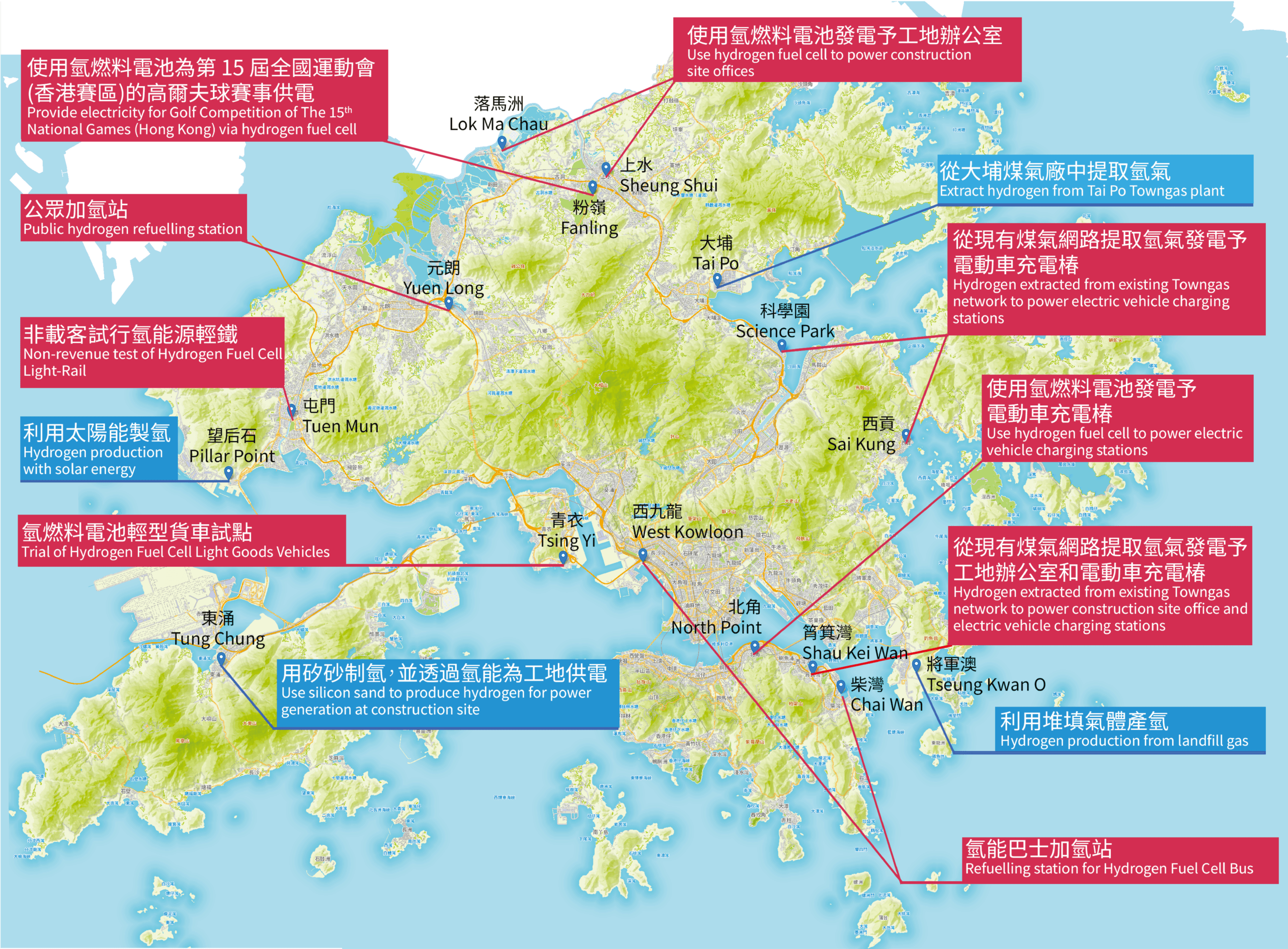
In 2022, the Environment and Ecology Bureau established a cross-departmental task force to formulate hydrogen safety standards and advance local pilot projects. In June 2024, the government released “The Strategy of Hydrogen Development in Hong Kong”, outlining four core approaches ‒ “Improving Legislations”, “Establishing Standards”, “Aligning with the Market” and “Advancing with Prudence” to steadily foster the development of hydrogen energy in Hong Kong.

As of 15 December 2025, 32 applications of trial projects on hydrogen fuel technology have been given agreement-in-principle by the “Inter-departmental Working Group on Using Hydrogen as Fuel”.