Established by THEi, the Environmental and Conservation Fund (ECF) Hydrogen Energy Education and Talent Development Centre is proud be the first of its kind in the Greater Bay Area to promote public understanding and safe adoption of hydrogen technologies and is open to the public. The Centre focuses on education, innovation, community engagement and workforce transformation development, thereby cultivating talents and driving local hydrogen application trials. Through innovative programmes and strategic partnerships with industry leaders, the Centre enhances public awareness of hydrogen technologies and their associated environmental benefits, and fosters a new generation of experts equipped to address contemporary energy challenges. By prioritising sustainability and conservation, the Centre plays a vital role in Hong Kong’s transition towards a greener economy, contributing significantly to global efforts in combating climate change.
Vision, Mission and Our Role
- Increase Public Awareness and Acceptance to Hydrogen Energy and its Safety: This education centre provides accurate information to dispel myths and foster acceptance among communities via a dynamic line-up of sciencefocused activities, workshops, and demonstrations. Vision, Mission and Our Roles
- Deliver the message that “Hydrogen Energy is Safe to Use in the Community”
- Keep the public informed about the latest innovations, developments, applications and Hong Kong Government policies on hydrogen production and storage technologies.
- Workforce Transformation Development: The transition to hydrogen energy requires a skilled workforce. By coupling theoretical knowledge with hands-on experiences, the Centre aims to cultivate talent and stimulate green innovation.
Introduction to Hydrogen Energy
Hydrogen energy refers to the use of hydrogen as a fuel or energy carrier.
As a clean energy source, it produces only water when used, with no other direct emissions.
Since the Industrial Revolution, burning of fossil fuels has led to a dramatic increase in carbon dioxide emissions, which exacerbates the greenhouse effect, resulting in global warming and trigger extreme weather conditions.
To combat climate change, replacing fossil fuels is imperative. Hydrogen, which produces no carbon emissions when burnt, is a promising alternative in some hard-to-abate sectors.
Hydrogen can be classified by colour based on its production method to indicate environmental impact, but the chemical and physical properties are the same.
Grey hydrogen is produced by steam methane reforming (SMR). Due to lower captial cost and abundant feedstock, grey hydrogen dominates modern hydrogen production despite its high carbon emission.
Green hydrogen is driven by renewable energy, water molecules are splitted into hydrogen and oxygen in the electrolyser, with zero direct carbon dioxide emission and no reliance on fossil fuels. Although the current cost is high, production capacity is expanding rapidly. Under the scale effect, green hydrogen is expected to achieve cost competitiveness with fossil fuel hydrogen production in areas rich in renewable energy by 2030.
In 2022, the Environment and Ecology Bureau established a cross-departmental task force to formulate hydrogen safety standards and advance local pilot projects. In June 2024, the government released“The Strategy of Hydrogen Development in Hong Kong”, outlining four core approaches ‒“ Improving Legislations ”“, Establishing Standards ”“, Aligning with the Market” and“ Advancing with Prudence” to steadily foster the development of hydrogen energy in Hong Kong.
(Hyperlink to Inter-departmental Working Group on Using Hydrogen as Fuel)
As of 9 September 2025, 28 applications of trial projects on hydrogen fuel technology have been given agreement-in-principle by the“ Inter-departmental Working Group on Using Hydrogen as Fuel”.
Centre Activities
Environment and Conservation Fund Hydrogen Energy Education and Talent Development Centre Guided Tour
As the first publicly accessible Hydrogen Energy Education and Talent Development Centre in the Greater Bay Area, the centre aims to promote awareness and safe applications of hydrogen technology, inspiring visitors' interest in sustainable energy and scientific research.
The centre features five major exhibits, including a PEM Water Electrolyser for Hydrogen Production, Hydrogen Storage Cylinders, Hydrogen Fuel Cell Model, Hydrogen Refuelling Station Model, and the "Hydrogen Colour Interactive Game" developed in-house. Through the display of hydrogen technology products and interactive games, participants will explore various methods, technologies, and processes of hydrogen production in the industry.
Hydrogen Energy Taster Workshop (Approximately one hour)
Through interactive activities, participants can assemble hydrogen-powered vehicles and hydrogen refueling stations, exploring the applications of hydrogen energy technology in depth.
Dates: November 2025 to March 2026
Location: Technological and Higher Education Institute of Hong Kong, Chai Wan Campus (133 Shing Tai Road, Chai Wan, Hong Kong)
Workshop Size: 30 people per class
Target Audience: Primary 1 to Secondary 6 students
Learning Resources
Educational video(s) that provide a clear and accessible introduction to the knowledge of hydrogen production, storage, transportation, and usage.
This teaching kit provides lesson plans, worksheets, teaching activities, and extension activities to support teachers in promoting the concept of hydrogen energy within schools and providing accurate information to alleviate students’ concerns about the safety of hydrogen.
Contents:
Lesson plans and worksheets (Primary)
Extension activities (Primary and Secondary)
Click to download the teaching kit:
Teaching Kit
Fossil Fuels are traditional energy sources like coal, oil, and natural gas, formed from ancient organic matter. When burnt, they release large amounts of carbon dioxide that contribute significantly to global warming and climate change.
Produced by coal gasification with coal. Despite high emissions, brown hydrogen is preferred in some coal-rich regions due to its low cost.
Produced by steam methane reforming (SMR) with natural gas. Due to lower capital cost and abundant feedstock, grey hydrogen dominates modern hydrogen production.
Production of blue hydrogen is similar to that of grey/brown hydrogen, but incorporates carbon capture, utilisation, and storage (CCUS) to minimise emission. Due to the relative ease of retrofitting existing fossil-based hydrogen facilities with CCUS, blue hydrogen dominates low-emission hydrogen in natural gas rich regions.
Produced from natural gas via methane pyrolysis. At high temperature (>1000 ℃), methane decomposes into hydrogen gas and solid carbon with no direct CO2 emission. The solid carbon by-product can be processed into valuable industrial additives such as carbon black. Though promising, it remains in early commercial development stage.
Green hydrogen is driven by renewable energy, water molecules are splitted into hydrogen and oxygen in the electrolyser, with zero direct carbon dioxide emission and no reliance on fossil fuels. Although the current cost is high, production capacity is expanding rapidly. Under the scale effect, green hydrogen is expected to achieve cost competitiveness with fossil fuel hydrogen production in areas rich in renewable energy by 2030.
Press the right side first「Enable Controls」
(It is recommended to play on a computer)
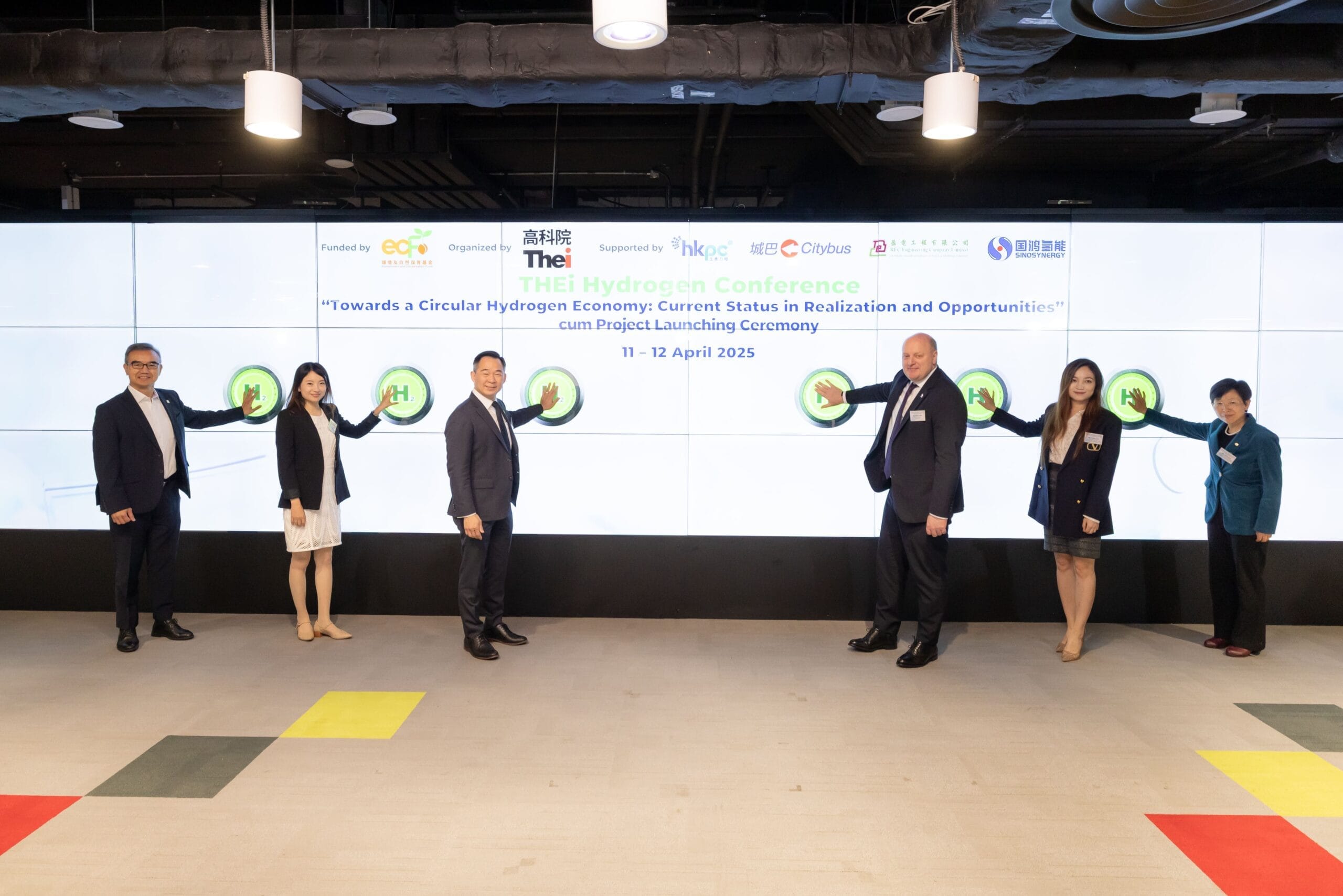
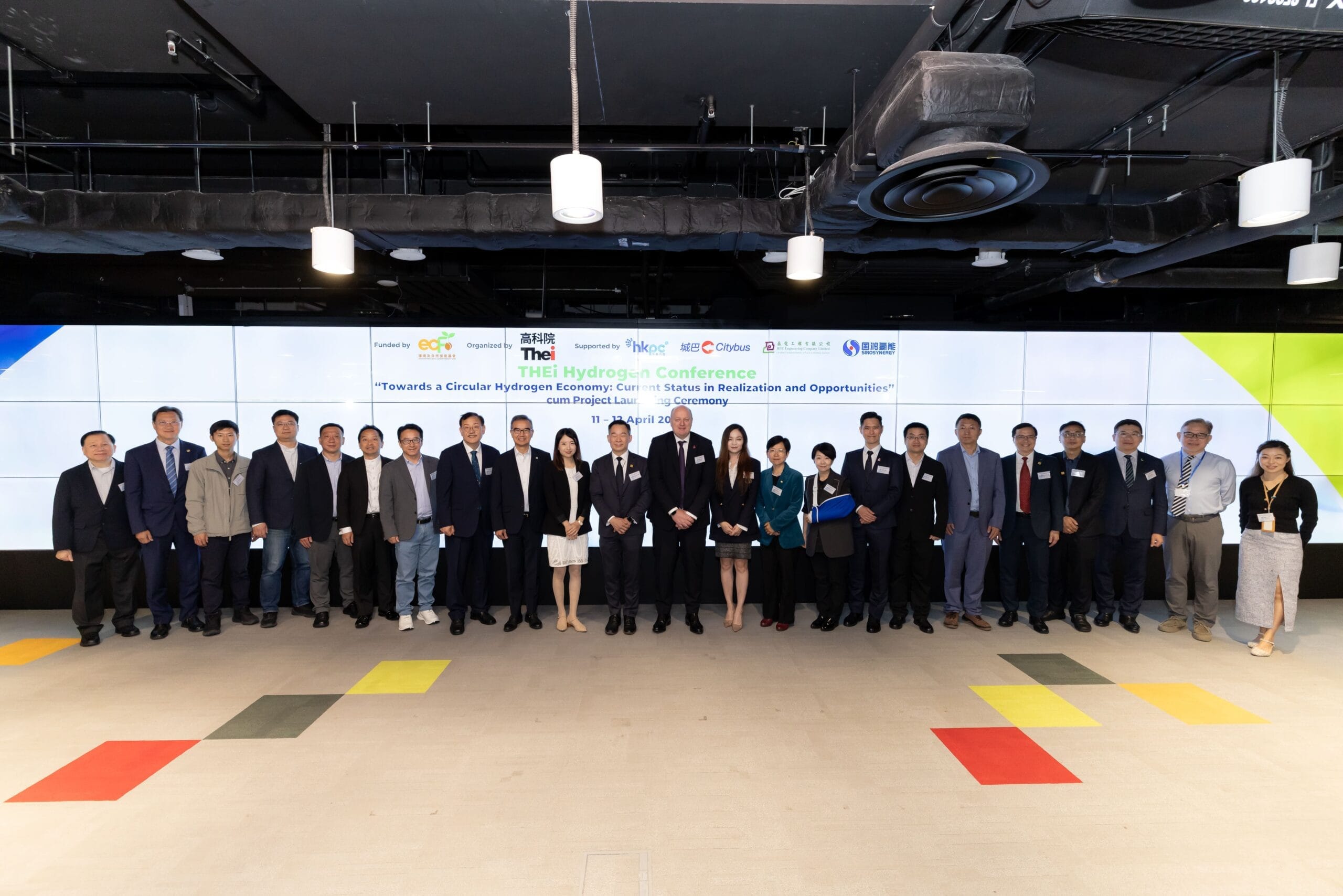
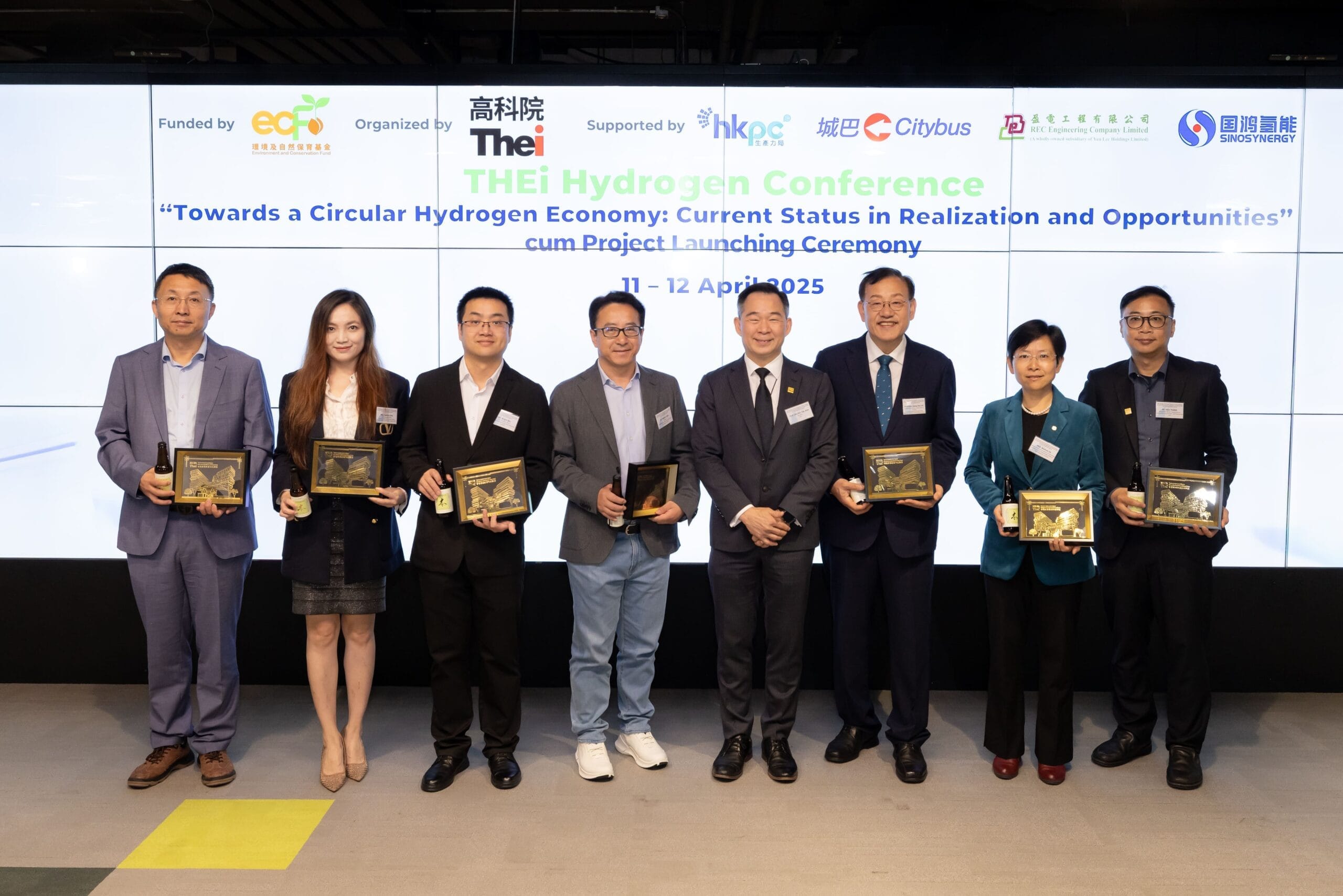
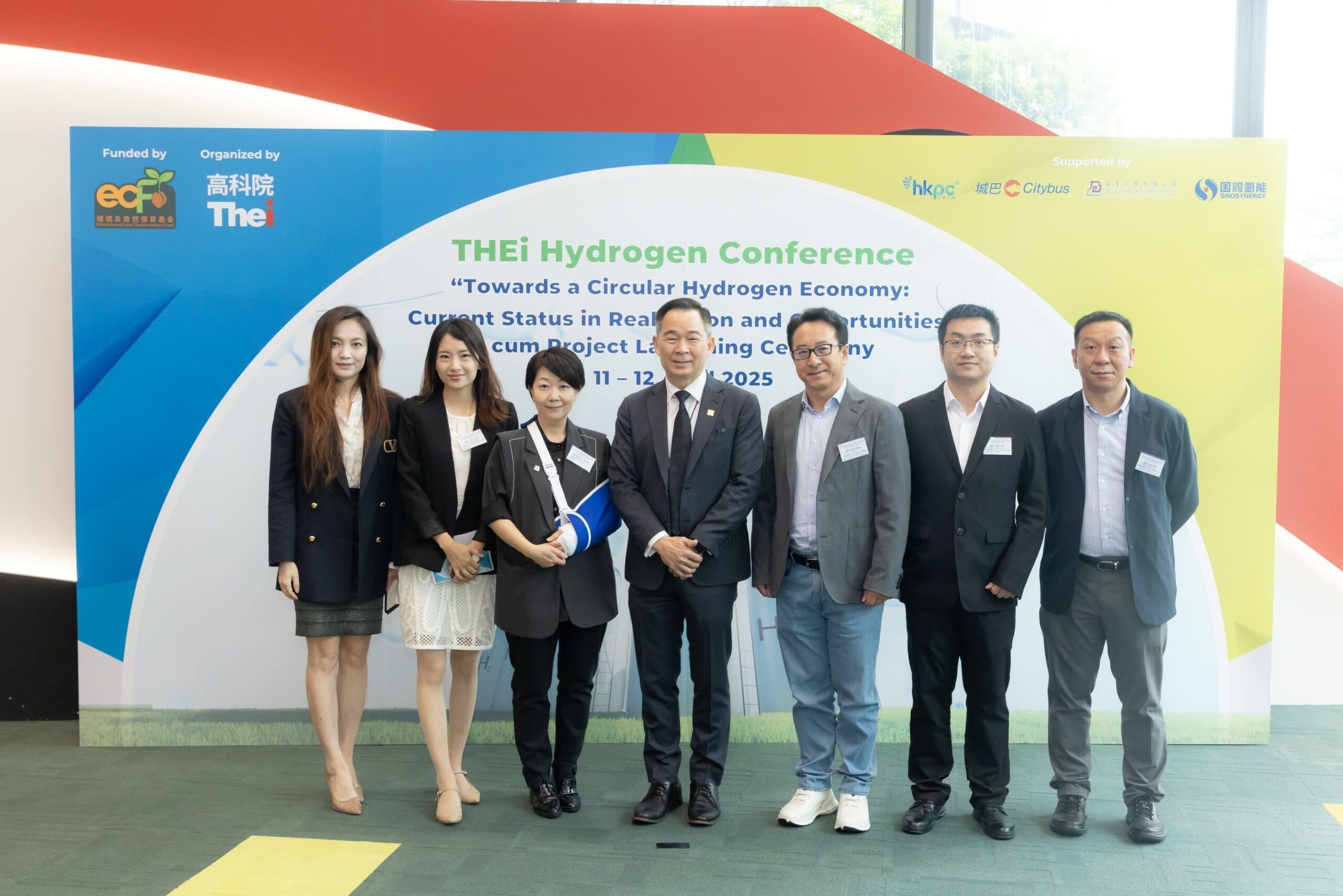
Event Review
Latest News / Media Coverage
11/11/2025
14/4/2025
11/4/2025
12/2/2025
31/5/2025
Contact Us
Location:
Opening Hours:
Telephone Number:
E-mail Address:
Enroll:
10:00 AM – 8:00 PM (Monday to Friday);
10:00 AM – 4:00 PM (Saturday)